Wilmington Septic Services is the #1 septic in Wilmington, NC.
Our services include:
Septic tank pumping
Septic tank cleaning
Septic tank inspections (real estate inspections)
Septic tank repairs
Septic tank installation and replacement
Drain field inspections
Drain field repairs
Drain field replacement
We have over 27 years of installation, repair and project management experience. We start with the cause and explain the right next step. Coastal groundwater, soil conditions, and New Hanover County approvals all shape the plan. Service life depends on the installed product, site conditions and maintenance.
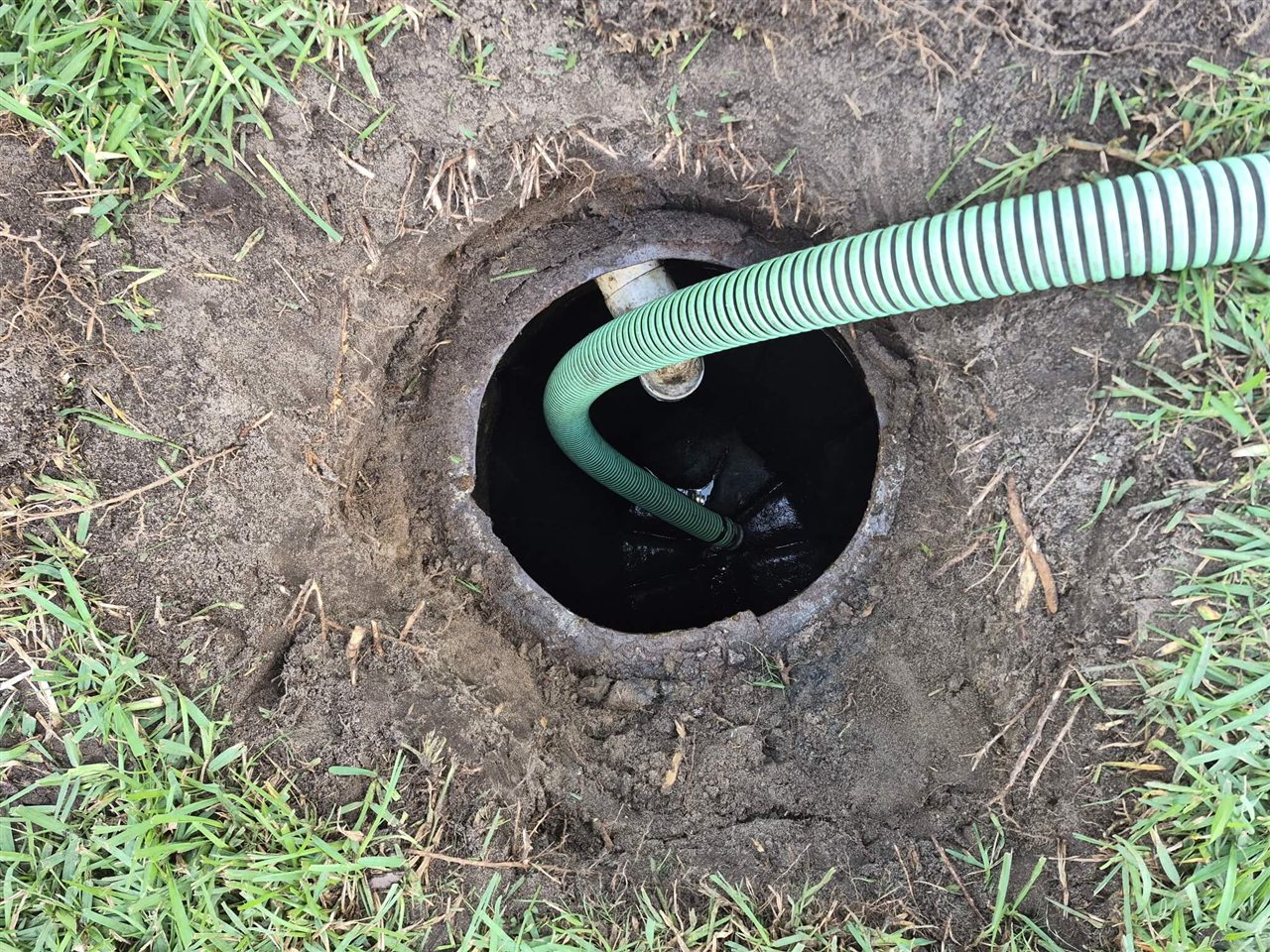
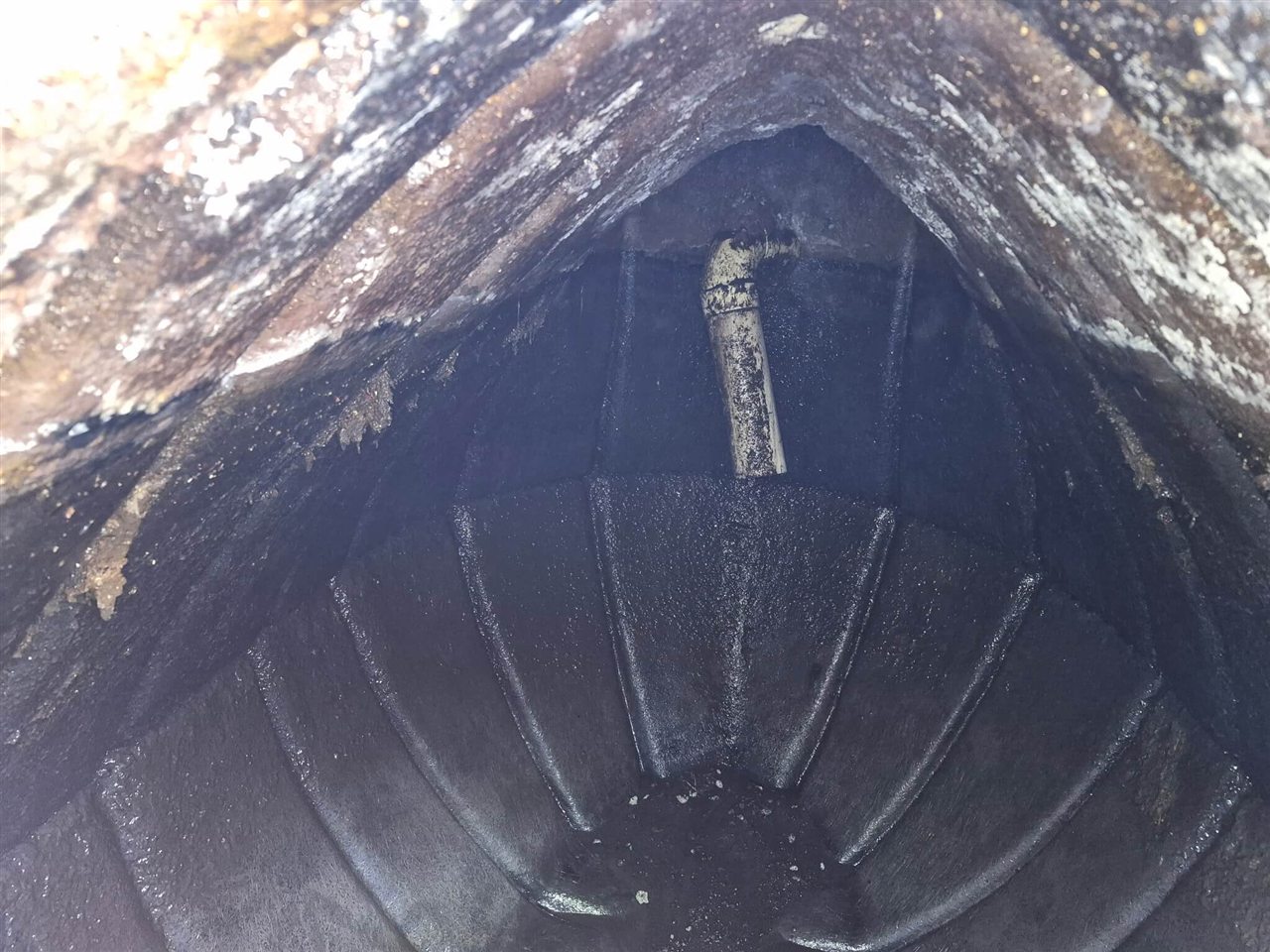
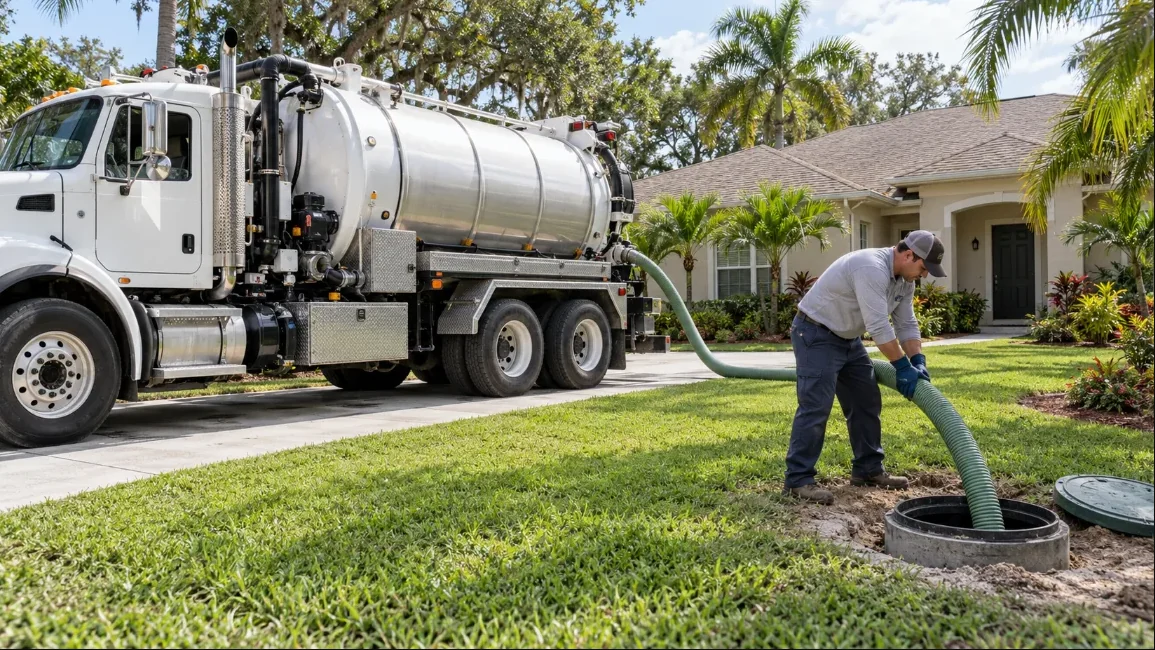
The homeowner contacted us after a backup revealed a full tank. This fiberglass septic tank held about 1000 gallons and needed a complete pump out. We emptied the entire tank through pumping. We followed that work with a sidewall rinse to clear the sludge and scum. We completed the pumping and interior cleaning together. Our work removed the tank contents and cleared the buildup from the walls.
Cost
$475
Timeline to completion
2 to 3 hours
Concrete Septic Tank Replacement
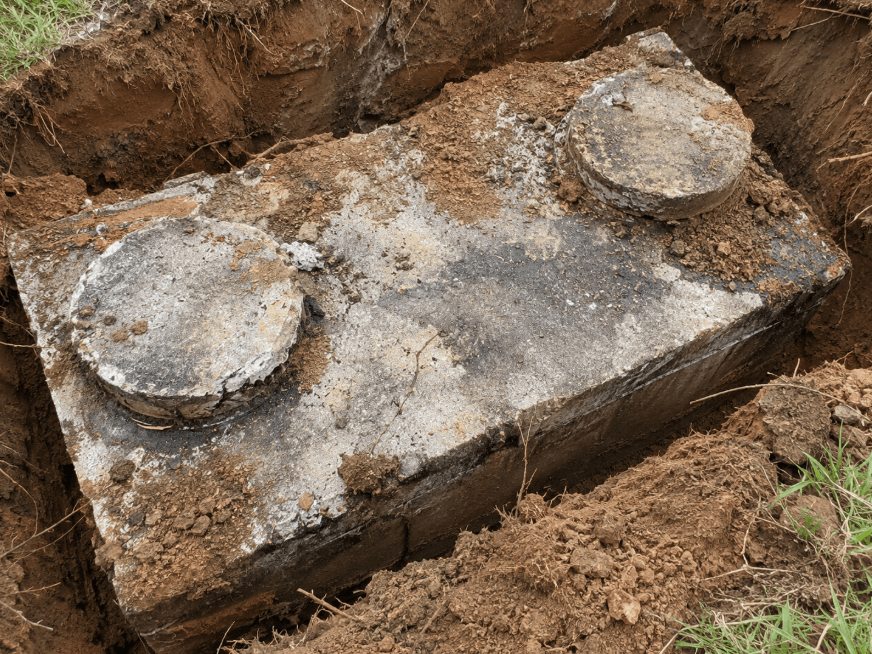
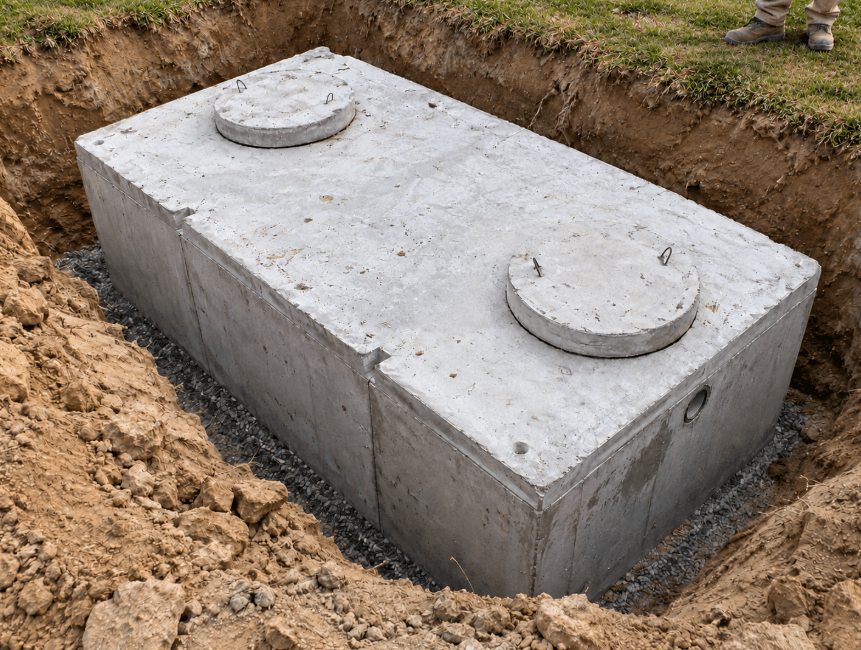
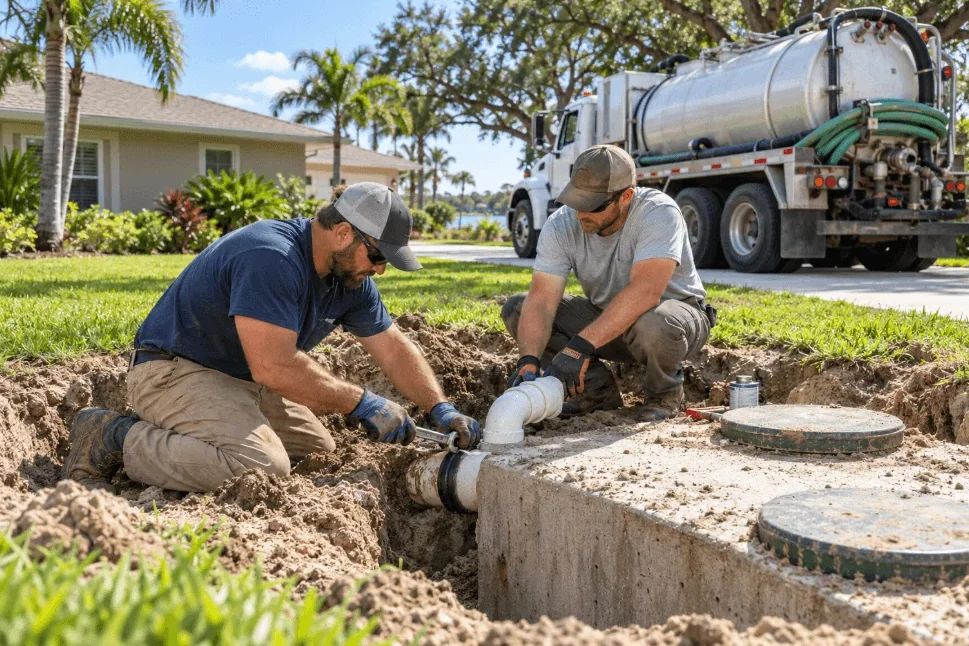
The homeowner needed to replace a septic tank that had passed its expected service life. Keeping the aging unit was no longer the goal of this project. We replaced the old tank with a concrete septic tank. The replacement provided 1000 gallons of tank capacity. We completed the tank replacement with the new concrete unit in place. The project moved the property from its aging tank to the installed replacement.
Cost
$9,844
Timeline to completion
3 to 5 days excluding permitting
Residential & CommercialTank & Drain Field ServicesProperty Specific Quotes
Why Choose Wilmington Septic Solutions?
01Local in Wilmington
02On time repairs and installations, including emergency service 24 hours a day
For ordinary single dwellings, current NC minimums start at 1,000 gallons through four bedrooms and 1,250 gallons for five. Existing systems may have different approved capacities. Confirm the installed record for service and the approved design for new work.
NC ordinary residential planning examples: 15A NCAC 18E .0401 and .0801
Bedrooms
Design flow
Minimum tank
2
240 gal/day
1,000 gal
3
360 gal/day
1,000 gal
4
480 gal/day
1,000 gal
5
600 gal/day
1,250 gal
Standard dwelling flow is 120 gallons per bedroom per day. Higher occupancy, approved alternative systems, equipment, multiple dwellings and commercial use can require different calculations. Tank storage and daily design flow are different measurements; field sizing is a separate soil based decision.
Materials and service life
Concrete
Heavy and rigid. Plan equipment access and inspect lids, seams and walls.
Fiberglass
Lighter to place. Correct support, fittings and backfill matter.
Polyethylene
Lightweight molded plastic. Follow the approved burial and groundwater requirements.
Use an approved by North Carolina product suited to the design. Tank shells, drain fields, pumps and controls age differently. Service life depends on installation, site conditions and maintenance.
The perc process, in plain English.
A quick water in a hole result cannot answer every septic question. North Carolina evaluates the soil profile and the whole site to decide whether wastewater can be treated and dispersed safely.
01 · Prepare the lot
Submit a plan showing the home, driveway, wells, drainage features and easements. Mark boundaries and proposed work; clear safe access without disturbing the field area.
02 · Evaluate the soil
Soil borings, and pits if needed, reveal texture, structure, depth and seasonal wetness. The evaluator also checks slope, setbacks, and primary and repair areas.
03 · Match the system
The findings determine usable area and loading. Conventional, pump assisted or advanced options depend on the parcel and approved design.
Coastal reality: sandy ground can still have a shallow seasonal water table or a restrictive layer underneath. Leave the repair area available and keep roof water, irrigation, pools, paving and heavy vehicles away from it.
New Hanover septic permits and timing.
Improvement Permit
Site suitability and the proposed use are reviewed. The planned bedroom count, system area and property layout need to fit.
Construction Authorization
Secure the installation design and authorization before work. Changes to the house or layout may need review.
Inspection + Operation Permit
Arrange required inspections before cover up. Complete the Operation Permit before using the system.
Apply through COAST: provide the signed application, owner/agent authorization where needed, site plan, and checklist documents. The county requests written sewer/water unavailability from CFPUA or Aqua where applicable. Repairs, additions and existing system reuse have distinct application requirements.
Planning time: allow 4 to 6 business days for initial coordination after a complete package. This is our planning allowance, not a published county approval time. Ask for the current queue. Soil evaluation, design, corrections, construction and inspection are separate; wetness studies may require seasonal monitoring. The county lists a January April monitoring season.
Agency fees: the county’s July 1, 2026 schedule lists $400 for an Improvement Permit and $200 for specified simpler Construction Authorizations. Other system types and professional pathways differ; design, installation and additional studies are separate. Confirm the current invoice for your scope.
What changes the plan near Wilmington?
Coastal groundwater
Seasonal wetness and storm saturation can limit the usable soil depth and safe work schedule.
Drainage and setbacks
Wetlands, ditches, marshes, wells, easements and coastal setbacks all belong on the site plan.
Sewer and jurisdiction
Confirm utility availability first. New Hanover guidance does not replace Brunswick or Pender County requirements.
A bigger tank is not always the answer.
A conventional system needs suitable soil to treat wastewater. Limited depth, wetness or space may require a different approved design. Pumps and advanced treatment add inspection and maintenance duties; match the complete system to the site.
Fix running toilets and spread laundry across the week.
Keep lids secure and the service area accessible.
Follow the maintenance plan for treatment equipment.
Don’t
Flush wipes, even those labeled flushable.
Pour grease, solvents or harsh chemicals down drains.
Park, pave or drive heavy equipment over the field.
Assume additives or another pump out fix a failed field.
Septic Questions, Clear Answers
Practical answers for Wilmington homes and businesses.
What is the typical septic tank size?
Useful ordinary NC residential examples are 1,000 gallons for up to four bedrooms and 1,250 gallons for five. These are current design minimums, not a measured average of existing Wilmington tanks.
Does a larger house need a bigger tank?
Square footage alone does not select the system. Approved bedrooms, occupancy, use and the soil/site design matter. Locate the actual permit before adding a bedroom.
Is a perc test enough?
What people call a perc test is part of a broader soil and site question. NC evaluation considers soil texture and structure, depth, seasonal wetness, slope, setbacks, and available primary and repair areas.
How do I apply in New Hanover County?
Use the county COAST portal with the application and required site documents. Follow the soil evaluation, Improvement Permit, Construction Authorization, installation inspection, and Operation Permit stages for the applicable scope.
How long should I allow?
Use 4 to 6 business days for initial coordination after a complete package, not approval. County workload, site access, soil evaluation, design, corrections and any wetness monitoring can extend the project.
Can I assume sewer is unavailable?
No. The county checklist asks for written confirmation from CFPUA or Aqua where applicable. Nearby sewer availability can change the proposed septic pathway.
What should I do during a sewage backup?
Reduce water use and keep people and pets away from wastewater. Obtain prompt professional help. This website and email are not emergency dispatch channels.